
Signage projects often get canceled. It’s not because they aren't needed. It’s because they are treated as one-time items that must compete with every other need in the school budget.
A parking sign request comes in here. A school directional sign update is requested there. Each building submits its own separate request list. These small, separate projects are easy targets when budget cuts happen.
What if you changed this entire way of thinking? Instead of seeing signs as small, separate projects, what if you made them a planned, regular part of your yearly spending?
This is exactly what school leaders are doing, and it’s completely changing how they pay for and complete their signage projects.
The Annual Signage Maintenance Plan
Many administrators use this simple plan:
- Set aside a small annual amount. This could be $10,000 to $20,000, depending on your district size. This money is only for sign improvements.
- Conduct a yearly sign check. This finds out what needs fixing or replacing first.
- Plan the work in phases. Work is done across the year based on what is most urgent and when money is ready.
- Fix problems early. This stops them from becoming legal issues or looking embarrassingly old.
Why this plan works:
- Sign companies can plan better. They usually give you better prices for ongoing work.
- Worn-out signs get replaced before they cause a problem.
- You are never caught unprepared when something urgent happens.
- Small issues do not turn into expensive emergency projects.
Source: National Center for Education Statistics (NCES)
https://nces.ed.gov/pubs2003/2003347.pdf
Bundling Multiple Needs Into One Strategic Project
Here is another smart idea: Instead of dealing with each building's sign needs separately, combine them.
Instead of:
- “The high school needs $5,000 for parking signs.”
- “The middle school needs $4,000 for directional updates.”
- “The elementary school needs $6,000 for entrance signs.”
Try:
- “District-wide directional sign update and maintenance: $15,000.”
Bundled projects are easier to approve and simpler to manage. They often get better pricing because you are buying in bulk. Plus, they make all your buildings look the same and professional.
The Phasing Strategy: Breaking Big Projects Into Smaller Pieces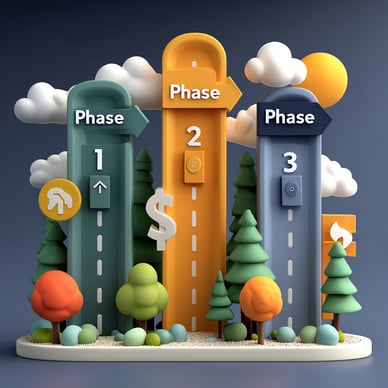
If the full project is too expensive for one year, you can break it into smaller steps. These phases let you pay for the work over time, matching the money you have available.
Example Phasing Approach:
Phase 1 (Year 1): Safety First
- Updates required by ADA (Americans with Disabilities Act) rules.
- Emergency exit sign improvements.
- Key directional sign fixes.
Phase 2 (Year 2): Better Visitor Experience
- Main entrance signs.
- Parking lot directional signs.
- Front office directional signs.
Phase 3 (Year 3): Brand and Polish
- Athletic facility updates.
- Making the design the same across the entire campus.
- Adding extra directional details.
This approach lets you:
- Get the most important work done right away.
- Spread costs out over many budget years.
- Show how valuable Phase 1 was before asking for Phase 2 money.
- Keep making progress on your bigger goals for campus improvement.
Making the Case:
How to Talk About Bundled Projects
When you present a bundled or annual sign plan, here is what budget committees and boards want to hear:
- Frame it as Preventive Maintenance: Just like fixing the heating/cooling systems or grounds care, signs need regular attention. An annual budget prevents emergency spending. It keeps the campus looking professional.
- Emphasize Consistency Across the District: Bundled projects create the same look and clear directions across all buildings. This makes your district look more organized to the community.
- Show the Cost Savings: Combining many building needs into one project often lowers the cost for each sign by buying in bulk. Also, working with the same sign company yearly usually means better prices.
- Highlight Compliance Benefits: Regular sign checks and updates keep you current with ADA and safety rules. This reduces risk and helps you avoid expensive, last-minute projects.
- Connect to Your Main Goals: Better directional signs help visitors, students, and staff find their way. They improve emergency readiness and help community involvement. These are all things that are likely already in your district's plan.
Working With the Right Partner Makes This Possible
The bundling and phasing plans only work if you have a sign partner who understands schools:
- They Think Smart, Not Just About Selling: They help you plan for multiple years. They find priorities. They create proposals that make sense to the people who approve the budget.
- They Know School Purchasing: They understand capital versus operating budgets, co-op agreements, and the paperwork your business office needs.
- They Can Work Flexibly: They are willing to break projects into stages that match your budget year. They keep the big picture in mind.
- They Plan Around Your Calendar: They know installation must happen during breaks and summer. They schedule their work that way.
Your Next Step: Go From One-Off Projects to Smart Planning
Ready to stop scrambling for sign money every time something breaks?
- If you want to try the annual budget approach: Let's check your campus. We can help you build a multi-year maintenance plan with realistic annual budgets.
- If you manage multiple buildings: We can check needs across your district. We can create one bundled proposal that is easier to approve and saves you money.
- If you have a big project but limited money: We’ll help you phase the work smartly. You can start making progress now while planning for future stages.
The team at FASTSIGNS of Grand Rapids has helped many Michigan school districts. We helped them move from reactive, one-time sign spending to smart, planned approaches that actually work with school budgets.
Ready to make signage a regular budget item instead of an afterthought?
Contact us for a consultation. We’ll review your campus needs. We’ll explore bundling or phasing options. We’ll help you build a plan that gets funded and completed—not cut and put off year after year.